Check whether trapped air is the problem, then bleed a radiator in eight steps, restore the boiler pressure and know when bleeding is not the fix: a practical guide for homes in England with British standards references.
A practical guide for homes in England
Bleeding a radiator means releasing trapped air through its small vent valve. It can help when a hot-water radiator is cold at the top or makes gurgling noises. This guide covers conventional water-filled central-heating radiators, including suitable boiler and heat-pump systems. It does not cover electric radiators, steam systems or unfamiliar communal heating installations.
First check whether trapped air is the problem
With the heating operating normally, cautiously check the radiator for uneven warmth without touching dangerously hot surfaces. A distinctly cold upper section with a warmer lower section can indicate trapped air. A cold lower section can indicate deposits or restricted circulation. These are clues, not a diagnosis: bleeding will not remove sludge or repair a faulty valve. [1, 2]
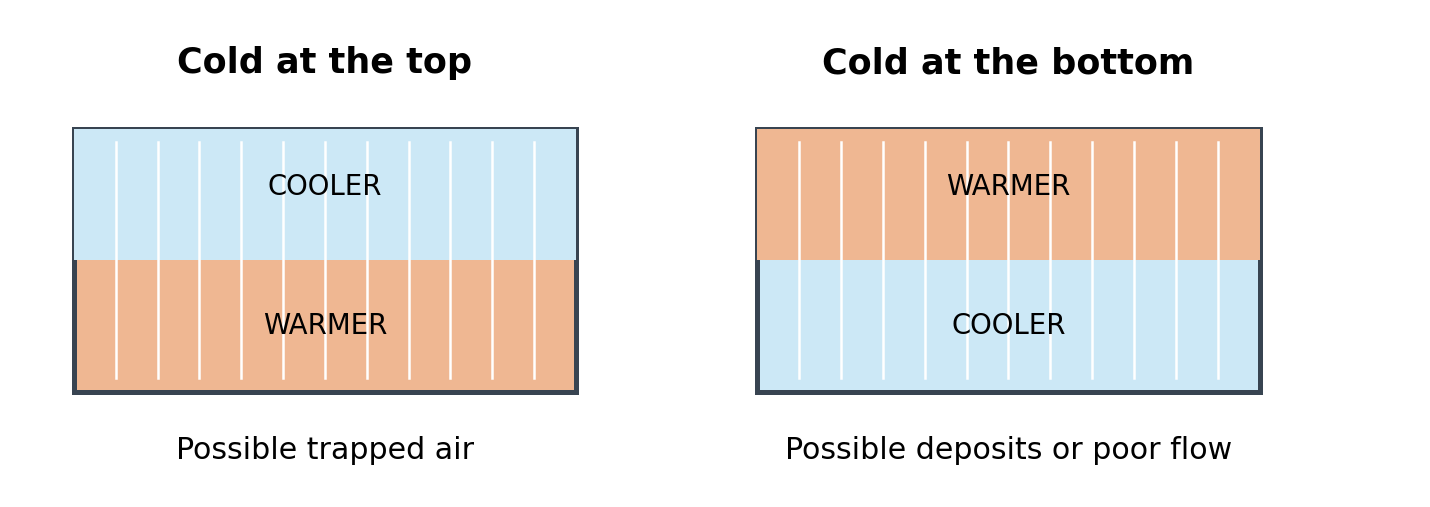
Figure 1. Simplified temperature patterns while heating. Illustrative only; actual temperatures vary.
What you need
Use a radiator key that fits the bleed screw, an old cloth or towel and a small bowl. Some vents accept a screwdriver: use one only if the vent is designed for it. Protect flooring because heating water can stain. Locate your heating-system manual before starting. [1, 2]
If the vent is damaged, heavily corroded or inaccessible, stop and ask a heating professional. For rented homes or communal heating, follow the landlord’s or managing agent’s maintenance arrangements.
How to bleed a radiator step by step
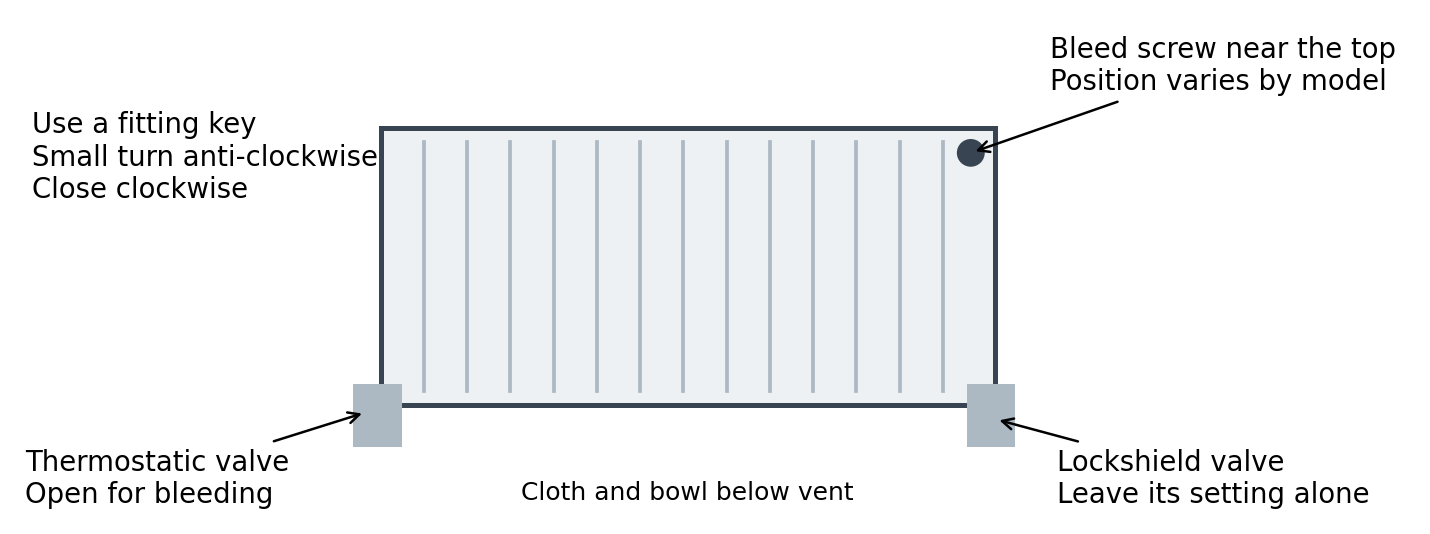
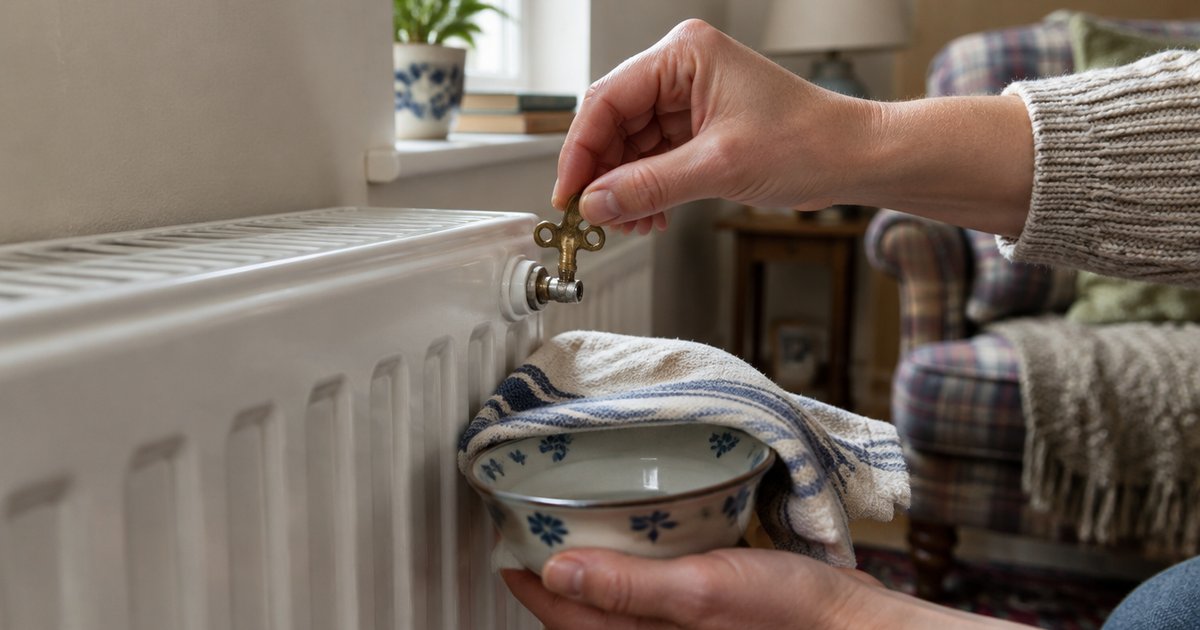
Figure 2. Typical panel radiator, shown schematically. Turn the bleed screw only; do not loosen pipe connections or remove the vent body.
1 Switch the heating off and let it cool
Stop the heating and allow the radiators and pipes to cool fully. Do not bleed while hot water is circulating. Cooling may take an hour or longer; check the actual temperature rather than relying on a fixed waiting time.
2 Open the thermostatic radiator valve
If fitted, turn the thermostatic radiator valve to its open setting. Leave the lockshield valve setting alone: changing it can upset system balancing.
3 Protect the area and fit the key
Find the small bleed screw near the top of the radiator. Place a cloth beneath the vent and a bowl where it can catch drips. Fit the correct key securely.
4 Release the air slowly
Looking directly at the screw, turn gently anti-clockwise, starting with about a quarter-turn. A hiss means air is escaping. Stop opening as soon as it vents. Never unscrew it completely or put your face near the outlet.
5 Close when water flows steadily
When the air stops and a small, steady flow of water appears, turn the screw clockwise until closed. Tighten gently; do not force it. Wipe dry and check for leakage. Do not drain a bowlful of water.
6 Check the other affected radiators
Repeat only where needed. If several radiators need attention, working downstairs before upstairs is a practical sequence. Do not keep venting a radiator that immediately releases water without air. [1, 2]
7 Check pressure before restarting
On a sealed heating system, bleeding can lower the pressure. Check the gauge or display with the system cold and use the range specified in the appliance manual. Around 1–1.5 bar cold is common for domestic boiler systems, but it is not a universal setting or an English legal requirement. [3]
If pressure is below the manufacturer’s range, follow the exact user instructions for your model. Only use the filling arrangement if you can identify it confidently, and close filling valves fully afterwards. Do not guess, overfill or remove the boiler casing. If unsure, ask a professional.
Open-vented systems are supplied differently, usually through a feed-and-expansion cistern, and should not be treated as sealed systems with a filling loop. If you cannot identify your system, ask for advice rather than attempting to pressurise it.
8 Restart and check the result
Restore normal valve settings and turn the heating on. Allow it to run, then check whether the radiator warms more evenly and whether the vent remains dry. A radiator does not have to be the same temperature everywhere; some difference between the flow and return sides is normal.
If bleeding does not solve the problem
Call a competent heating professional if the radiator stays cold, the vent leaks, no air or water appears, air repeatedly returns or system pressure keeps falling. Repeated bleeding or topping up can mask an underlying fault. [2, 3]
- Cold at the bottom: ask for assessment of deposits, water condition and circulation. Do not assume that a power flush is automatically required.
- One radiator completely cold: valve position, a sticking valve or a local flow problem may be involved.
- Some rooms warm quickly while others remain cold: the system may need balancing rather than further bleeding. [4]
- Several radiators cold or a boiler fault: a wider system problem needs diagnosis.
Bleeding is not balancing or flushing
Bleeding releases trapped air. Balancing adjusts water flow between radiators. Flushing cleans the circuit when justified by its condition. These are different procedures: ask the engineer to explain the evidence for the proposed repair. [1, 4]
English rules and relevant British standards
Routine radiator bleeding is a user-maintenance task described in UK manufacturers’ guidance. It is not a gas-service procedure. Work involving a gas boiler or gas fittings must be carried out by an appropriately qualified Gas Safe registered engineer. HSE distinguishes water-side radiator work from work on the gas boiler itself. Do not remove its casing or interfere with gas components. [5]
BS 7593:2019+A1:2024 is the British code of practice for preparation, commissioning and maintenance of domestic central-heating and cooling-water systems. It is relevant to professional water-quality and maintenance work; it is not a household instruction to add chemicals whenever a radiator needs bleeding. [6]
In England, Part L of the Building Regulations and the applicable edition of Approved Document L are relevant where heating installation or alteration work falls within their scope. Routine bleeding should not be confused with commissioning a new installation. For proposed alterations, ask the installer which requirements and transitional provisions apply. [7]
Before signing a heating repair quote check with ECV
If bleeding does not restore normal heating, arrange a professional diagnosis. Before signing a quotation, accepting chargeable remedial work or paying a deposit, have the proposal reviewed through Euro Construct Verify at ecvcheck.com.
Ask for a written diagnosis and an itemised quotation covering labour, materials, VAT, any proposed cleaning or water treatment, commissioning, guarantees and exclusions. ECV can help identify points to clarify about the scope, price and proposed quality. It does not replace an on-site diagnosis, statutory checks or the qualifications required for the work.
Before you sign, check your quote at ecvcheck.com.
References
[1] Worcester Bosch. How to bleed a radiator. Home Heating FAQs.
[2] Vaillant UK. How to bleed a radiator. Home advice.
[3] Worcester Bosch. How often should I need to top up the pressure in the heating system? Home Heating FAQs.
[4] Vaillant UK. How to balance radiators. Home advice.
[5] Health and Safety Executive. Gas safety check — who can do it? Gas Safety (Installation and Use) Regulations 1998, guidance L56.
[6] British Standards Institution. BS 7593:2019+A1:2024. Code of practice for the preparation, commissioning and maintenance of domestic central heating and cooling water systems.
[7] UK Government. Conservation of fuel and power: Approved Document L; Approved Document L: Energy and greenhouse gas emissions, 2026 edition. England, including applicability and transitional guidance.
Sources checked 26 October 2026. Illustrations are original simplified schematics, not model-specific installation drawings.